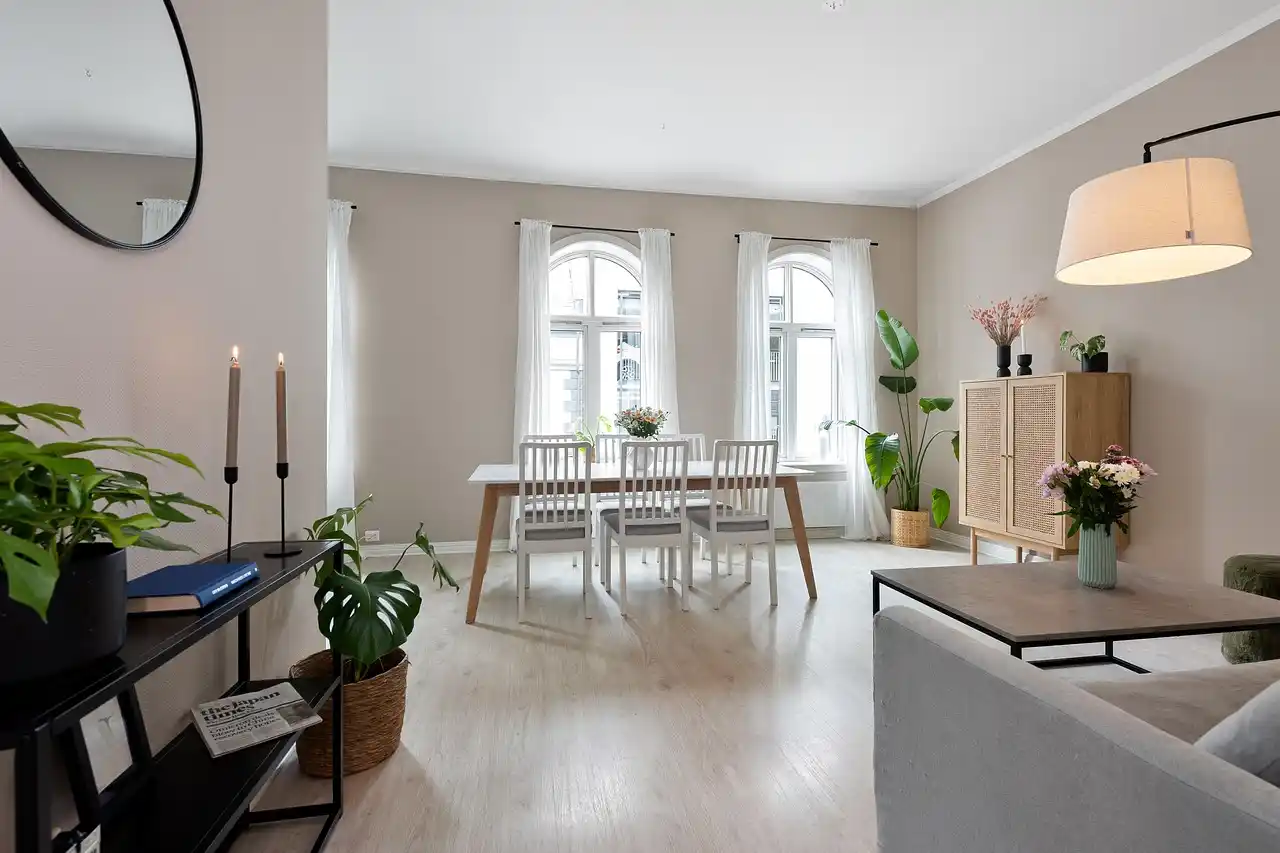
When you search for "home window tinting near me," you're seeking local professionals who can assess your home, recommend the right film, and install it with quality and care. Local providers understand climate, building codes, and warranty requirements, which translates into smoother projects and fewer after-sale hassles.
Benefits of home window tinting
Home window tinting offers several practical advantages. Energy savings come from reduced heat transfer, helping cool your home more efficiently during hot months. UV protection slows fading of furniture, flooring, and art. Glare reduction improves comfort for family members using screens or reading in sunny rooms. Privacy can be improved without sacrificing natural light. Some films also improve safety by helping hold shattered glass together in a breakage event.
Choosing a local tinting professional
Start by searching "home window tinting near me" and then vet providers for licenses, insurance, and experience. Request portfolio photos or live demonstrations and check customer reviews. Ask for a written warranty on both materials and labor. A reputable pro will usually perform an on-site assessment, measure windows, explain film options, and provide a transparent quote with estimated timelines.
Common window film types for homes
Dyed films are affordable and provide a rich appearance but may fade over time. Metalized films offer strong glare and heat reduction but can interfere with electronics. Ceramic films balance clarity and performance without metal, delivering heat rejection and durability. Carbon and hybrid films target heat control with stable color and good longevity. The best choice depends on climate, sun exposure, privacy needs, and interior design.
Key specs to compare
Visible light transmission (VLT) indicates how much light passes through. Higher VLT means brighter rooms; lower VLT yields darker interiors. IR rejection measures heat control, while UV rejection protects furnishings and skin. Warranties vary by brand and installation quality; always obtain a written warranty and understand its terms and duration.
Installation process
Professional installers begin with preparation: cleaning windows, masking adjacent surfaces, and determining film cut patterns. They may remove existing film, apply the new film, trim edges, and squeegee out air and moisture. A curing period follows; avoid rolling down windows or using ammonia-based cleaners until fully cured. A quality installation minimizes bubbles, peeling, and edge lifting and is often accompanied by a warranty card and after-care instructions.
Costs and return on investment
Home window tint costs vary by window size, film type, and number of panes. Typical installed ranges run from about $3 to $8 per square foot for common residential films, with higher-end ceramic or carbon options costing more but offering superior longevity and energy savings. Consider payback from energy savings, furniture protection, reduced glare, and potential home-value benefits when evaluating a local provider.
Maintenance and care
Clean the film with mild soap and water or cleaners recommended by the manufacturer. Avoid abrasive pads and ammonia-based cleaners on sensitive films. With proper care, many films perform well for 10–15 years, and some brands offer warranties up to 20 years depending on climate and installation quality.
Comparison of common film types
| Film Type | Pros | Cons | Best For | Typical Cost (per ft2) |
|---|---|---|---|---|
| Dyed | Low cost; rich appearance | May fade; moderate longevity | Budget rooms | $1–$3 |
| Metalized | Excellent glare and heat rejection | Can interfere with electronics; color sometimes | Bright spaces with glare | $2–$5 |
| Ceramic | Strong heat rejection; non-metallic | Higher upfront cost | High-performance homes | $4–$8 |
| Carbon | Good heat control; stable color | Moderate cost | Modern aesthetics | $3–$7 |
| Hybrid | Balanced performance; durable | Mid-range price | General use | $2–$6 |
Local service considerations
Choosing a nearby provider reduces travel time, improves response for maintenance, and makes scheduling easier around your daily routine. Verify that the installer is licensed, insured, and offers references. Ask about the brand of film used and whether they provide on-site measurement and a written warranty.
How to start your search near you
Begin with a targeted search like "home window tinting near me" and compare at least three local options. Request on-site assessments, compare film brands, and review online testimonials. Always obtain a formal written estimate that itemizes film type, cost per window, labor, warranties, and curing timeline.
Conclusion, choosing the right home window tinting near me provider means evaluating film type, price, warranty, and local reputation. By verifying licenses and insurance, requesting samples or case studies, and comparing clear estimates, you can enjoy better comfort, UV protection, and energy savings for years to come.