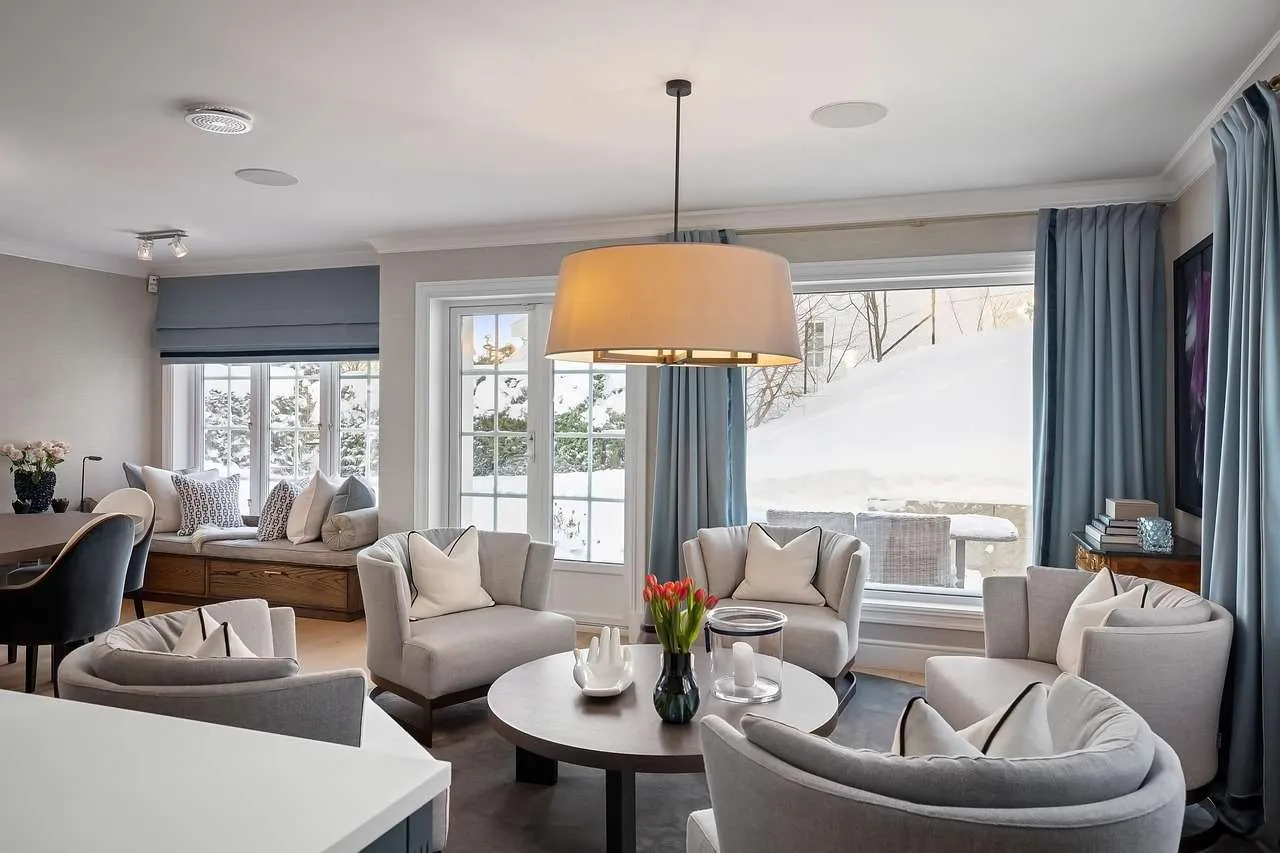
What is home window tinting?
Home window tinting involves applying a thin film to the interior surface of glass windows. The film reduces heat transfer, blocks UV rays, minimizes glare, and can add privacy without sacrificing natural light. When done correctly—typically by a trained technician—it improves comfort, protects furnishings, and can lower cooling costs over time.
Benefits of home window tinting
1. Heat reduction and energy savings
In hot climates, window tinting reflects a portion of solar heat, keeping rooms cooler and reducing the burden on air conditioning systems. Even modest reductions in heat gain can translate into noticeable energy savings across a home, especially on large southern- or western-facing windows.
2. UV protection and glare control
Most residential films block up to 99% of UV rays, helping prevent fading of furniture, flooring, and artwork. Reduced glare improves comfort for screen-based activities and reduces eye strain during long daytime hours.
3. Privacy and interior protection
Tinted films offer varying levels of privacy during the day while maintaining outward visibility from inside the home. Some ratings also increase safety by holding shattered glass together in case of impact, reducing the risk of injury.
Choosing the right tint
Types of tint
There are several options, each with trade-offs:
- Dyed films: Cost-effective, good glare reduction, moderate heat control but may fade over time.
- Metalized films: Strong heat rejection and good durability, but can interfere with electronics and create some reflectivity.
- Ceramic films: Superior heat rejection, excellent clarity, no metal to interfere with devices, and long-lasting performance.
- Ceramic-infused and hybrid films: A blend offering strong heat control with reduced reflectivity and strong durability.
VLT and shading considerations
Visible Light Transmission (VLT) indicates how much light passes through the film. Higher VLT values preserve brightness, while lower values offer more privacy and glare reduction. The right balance depends on climate, orientation, and personal preference.
Legal and safety considerations
Local regulations often dictate permitted tint levels for residential spaces, especially for front-facing windows. Check with local authorities or a licensed installer to ensure compliance. Professional installers also guarantee proper edge sealing and adhesion, reducing the risk of bubbling or peeling.
DIY vs professional installation
DIY kits are available, but professional installation is recommended for most homes. Pros bring calibrated tools, precise heat-setting, and warranties. Proper surface prep (clean, dust-free panes), meticulous cutting, and controlled lamination prevent air pockets and ensure long-term adhesion. For complex panes, curved edges, or large windows, a pro is especially advisable.
Cost, ROI, and maintenance
Costs vary by film type, window size, and labor. Typical residential installations range from $2 to $8 per square foot, with premium ceramic films at the higher end. While upfront expenses can be substantial, the payoff includes cooler spaces, lower energy bills, and longer-lasting interiors, which can translate into meaningful return on investment over several years.
| Tint Type | Heat Block | UV Block | VLT (Light Transmission) | Typical Installed Cost (Residential) |
|---|---|---|---|---|
| Dyed | 40–60% | 99% | 30–50% | $2–$4 per sq ft |
| Metalized | 60–70% | 99% | 10–30% | $4–$6 per sq ft |
| Ceramic | 65–75% | 99% | 20–50% | $5–$8 per sq ft |
| Ceramic-infused / Hybrid | 60–70% | 99% | 25–50% | $5–$7 per sq ft |
Maintenance and warranties
Most residential films require only occasional cleaning with non-abrasive solutions and soft cloths. Avoid ammonia-based cleaners, which can degrade certain coatings. Many reputable installers back their work with warranties ranging from 5 to 15 years, covering defects like bubbling, peeling, or improper adhesion. Regular inspections after installation help catch issues early.
To maximize longevity, request professional installation, confirm the film’s warranty details, and ensure proper surface prep and climate-controlled curing if applicable. This approach helps sustain heat rejection, UV protection, and clarity for years to come.
Conclusion, home window tinting offers measurable comfort, interior protection, and potential energy savings when you choose the right film and partner with a qualified installer. By understanding tint types, regulatory requirements, and maintenance needs, homeowners can make an informed decision that adds value and daily comfort.